
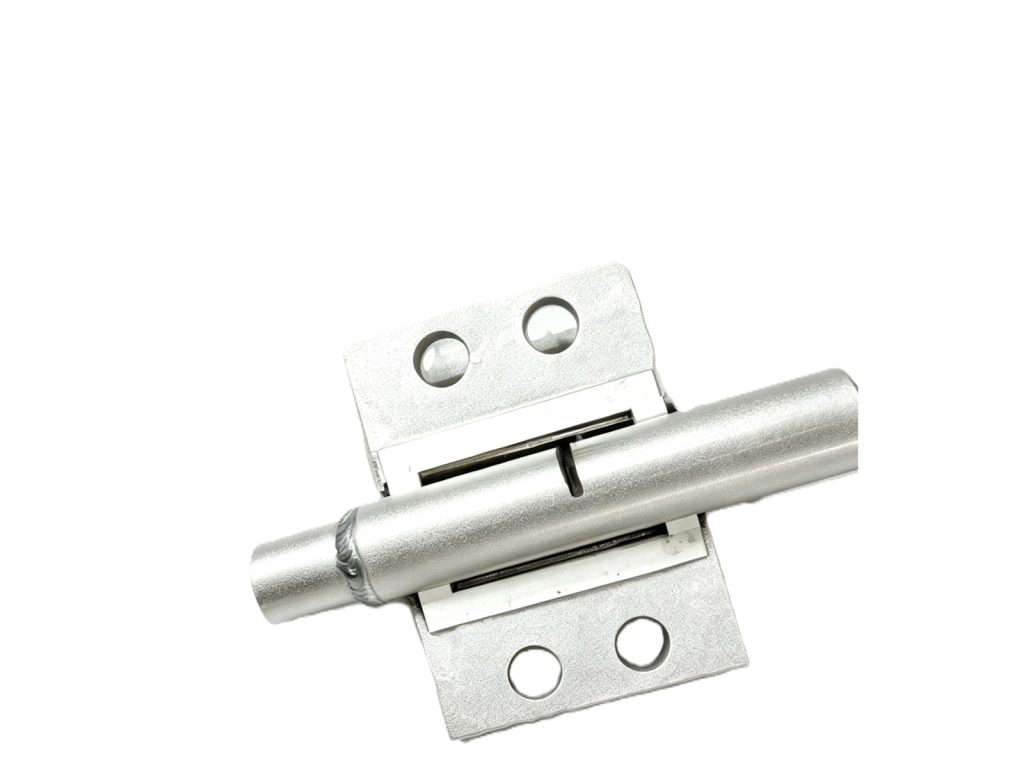
Stainless Steel Ultra-Low-Temperature Repair Sleeve
Cold makes elastomers brittle, and a cryogenic split sleeve is built around that. At cryogenic temperatures a conventional gasket loses the elasticity it needs to follow the pipe as the line cycles, and a seal that passed a…
Also known as: Stainless Steel Low Temperature Repair Clamp
Usually replies within 24 hours sales@baoshuopipe.com
Technical Specifications
| Size Range | DN15–DN4000 · Stainless Steel DN15–DN4000 · Custom sizes available beyond the above range |
|---|---|
| Body Material | SS304 / SS316L / Duplex 2205 |
| Seal Material | PTFE |
| Sealing Pressure | ≥1.6MPa (232 PSI) |
| Bolt Specification | M16×80, Grade 8.8 High-Strength Bolts |
| Coating | None (Stainless Steel Body) |
| Length Range | 200–600mm (7.9"–23.6") |
| Applicable Pipe Types | Steel, Stainless Steel, Ductile Iron, PVC |
| Working Conditions | Ultra-Low Temperature, Corrosion Resistant |
Custom Orders Available
This product can be customized to your specifications. Contact us with your requirements.
Request Custom QuoteCheck the fit before ordering.
- Measure the actual pipe
- Nominal DN alone does not define the outside diameter. Confirm the pipe material, measured OD and condition.
- Confirm the geometry
- Provide dimensions of the connection or damaged area. Product shape, sealing length and end connections must match the job.
- Match the seal to the service
- Confirm medium, temperature and pressure together. A material name alone is not a service approval.
- Plan a safe installation
- Pipe integrity, isolation and installation procedure require a site-specific assessment. Suitability for live service must be confirmed.
Read the full technical guide7 chapters · complete product description
Product Overview
Cold makes elastomers brittle, and a cryogenic split sleeve is built around that. At cryogenic temperatures a conventional gasket loses the elasticity it needs to follow the pipe as the line cycles, and a seal that passed a pressure test when cold can weep once the line warms and cools again. Confirm the PTFE seal construction and complete assembly for the actual minimum temperature, fluid phase, pressure and cycles; the material name does not establish LNG or liquid-nitrogen suitability.
Where it is used
- Proposed cold-service conditions require confirmation of the supplied assembly before approval.
- Cold-box and cold-recovery pipework in stainless systems
- Lines that cycle between ambient and cryogenic service
- Repairs that have to hold across repeated thermal cycles
Choosing the right build
The lowest temperature the line reaches and how often it cycles both shape the seal — send those with the outside diameter. Compounds are compared in EPDM, NBR, FKM and silicone compared; the carbon steel equivalent is the ultra-low temperature repair clamp.
What cold does to a compression seal
An elastomer seals because it pushes back. Compress it and it stores the deformation, then keeps pressing against the pipe for years. Cold takes that away. At low enough temperature the compound passes its glass transition and becomes glassy rather than elastic, so a gasket that sealed during an ambient pressure test has no recovery left when the line is cold.
The second effect is geometric. The shell, the pipe and the gasket contract by different amounts as the line cools, so the compression the joint was assembled with is not the compression it has in service.
The third effect decides when the leak is found. A gasket that has taken a set at low temperature does not recover on the way back up, so the weep usually appears during warm-up, not at the coldest point. The product field lists PTFE; confirm its profile, support and load retention through the actual temperature cycles in the supplied sealing construction.
Installation
- Assemble dry and oil-free. Clean with lint-free wipes and let any solvent flash off; moisture or hydrocarbon trapped at a cryogenic seal face freezes and holds the joint open.
- Where the medium is oxygen, use no hydrocarbon lubricant at all and follow oxygen-cleanliness rules. State oxygen service in the enquiry so the build and cleaning are specified for it.
- Check the fastener grade. Confirm fastener material and low-temperature evidence for the actual supplied assembly rather than inferring the fastener grade from the product name.
- Clean the pipe to bare metal and check it is round and free of ice and condensation.
- Tighten in stages from the centre outwards. Do not over-tighten: PTFE creeps, and a joint preloaded past what it needs will lose that load as the polymer flows.
- Test at ambient, then check the sleeve after the first cool-down and again after the first warm-up. A warm test alone proves very little here.
- Reinstate the insulation and the vapour barrier so the sleeve does not become an ice point, but keep the joint inspectable.
What to send with an enquiry
- The lowest temperature the line reaches, and how many times a year or a day it gets there. A single cool-down at commissioning differs from daily cycling.
- The medium, and whether it is liquid or cold gas. LNG, liquid nitrogen and oxygen each carry their own rules, and oxygen service changes the cleaning and lubricant requirements.
- The pipe outside diameter and alloy, and whether the pipe itself is austenitic stainless. A carbon steel line at cryogenic temperature is not a normal duty, and the pipe may be the limiting item.
- Design pressure and the temperature it applies at.
- The insulation system, and whether the sleeve sits inside a cold box.
- The defect type and its length.
- Whether the repair is a permanent fix or a holding measure until the next shutdown. On a critical cryogenic line that should be decided deliberately.
Failure modes, and where a cryogenic sleeve is the wrong part
The failure that defines this product is the seal that passed a warm pressure test and weeps in service, because the test did not reproduce the condition the seal works in. The second is PTFE creep: bolt load is slowly taken up by the polymer flowing, and the joint loses compression over months rather than failing suddenly. The third is ice and frost disguising a weep until a thaw, on a line nobody inspects between shutdowns.
An elastomer-sealed clamp is the wrong family at full cryogenic duty, and a PTFE-sealed clamp is not the answer to every cold problem. On a critical LNG or oxygen line a field clamp is a repair, and it may be acceptable only as a holding measure pending a planned shutdown.
Do not use it at a joint, a bend, a branch or a flange: use the mechanical joint split repair sleeve, the stainless steel split repair elbow, the stainless steel split repair tee or the stainless steel flange wrap repair clamp. At standard temperature the stainless steel straight pipe repair clamp is the lighter part, and the carbon steel cold-service equivalent is the ultra low temperature repair clamp.
Materials and the standards behind them
The shell is SS304, SS316L or Duplex 2205 to ASTM A240 / GB/T 3280, but low temperature narrows that choice rather than widening it. Austenitic stainless is the natural material for cold service because it has no ductile-to-brittle transition in the way carbon steels do: it stays ductile as it gets colder. Carbon steel to GB/T 700 loses impact toughness in the cold, which is one reason the carbon steel version of this part is not the right purchase for deep cold duty.
Duplex 2205 has a low temperature limit of its own, set by its ferrite content, below which it becomes prone to brittle behaviour. Duplex, the right answer for hot chloride service, is not automatically right here. For deep cryogenic duty the choice narrows toward the austenitic grades, and the ferrite-bearing grades should be reviewed against the actual minimum temperature.
Confirm the PTFE seal construction and complete assembly for the actual minimum temperature, fluid phase, pressure and cycles; the material name does not establish LNG or liquid-nitrogen suitability. Fasteners are austenitic stainless to ASTM A193 / GB/T 3098.6 rather than grade 8.8 carbon steel to ISO 898-1 / GB/T 3098.1. Sleeve construction falls under AWWA C230, and fitting is covered in the repair clamps installation manual.
Documents
Material standards ASTM A240 · GB/T 3280 · ISO 898-1 · GB/T 3098.1
Warning: Undefined array key "sp04-ss" in /www/wwwroot/baoshuopipe.com/wp-content/themes/astra-child/inc/helpers.php on line 1806
Also available in carbon steel: Ultra-Low-Temperature Repair Sleeve
Related Products
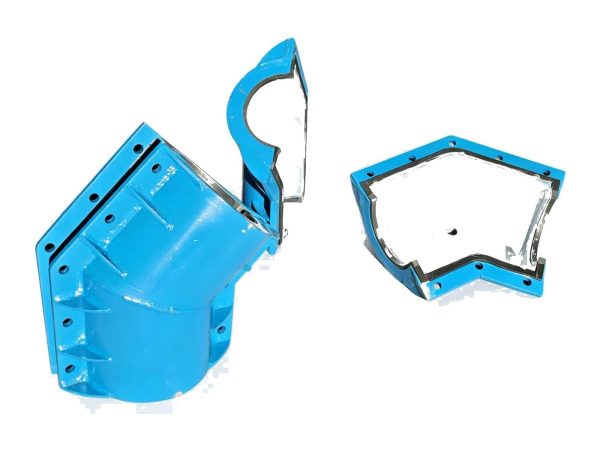
Corrosion-Resistant Repair Sleeve
The interior fluoroplastic barrier protects its covered shell surfaces, while FKM provides the seal; confirm both for…
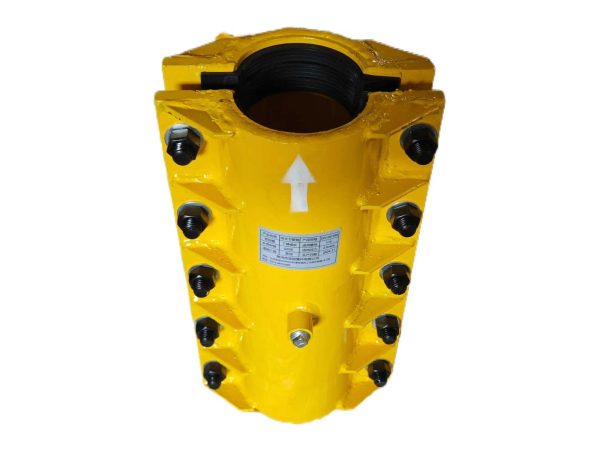
NBR-Sealed Repair Sleeve
NBR-sealed repair clamp for petroleum, lubricant and fuel lines — hydrocarbon service that swells and destroys EPDM…
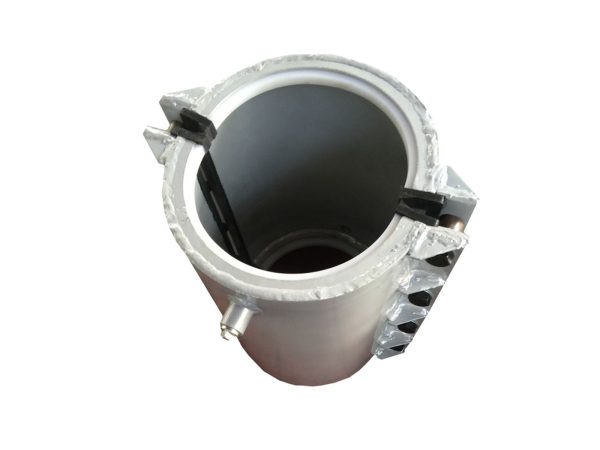
High-Temperature Repair Sleeve
The supplied silicone VMQ seal requires confirmation for the actual fluid, phase, temperature, pressure and thermal…