
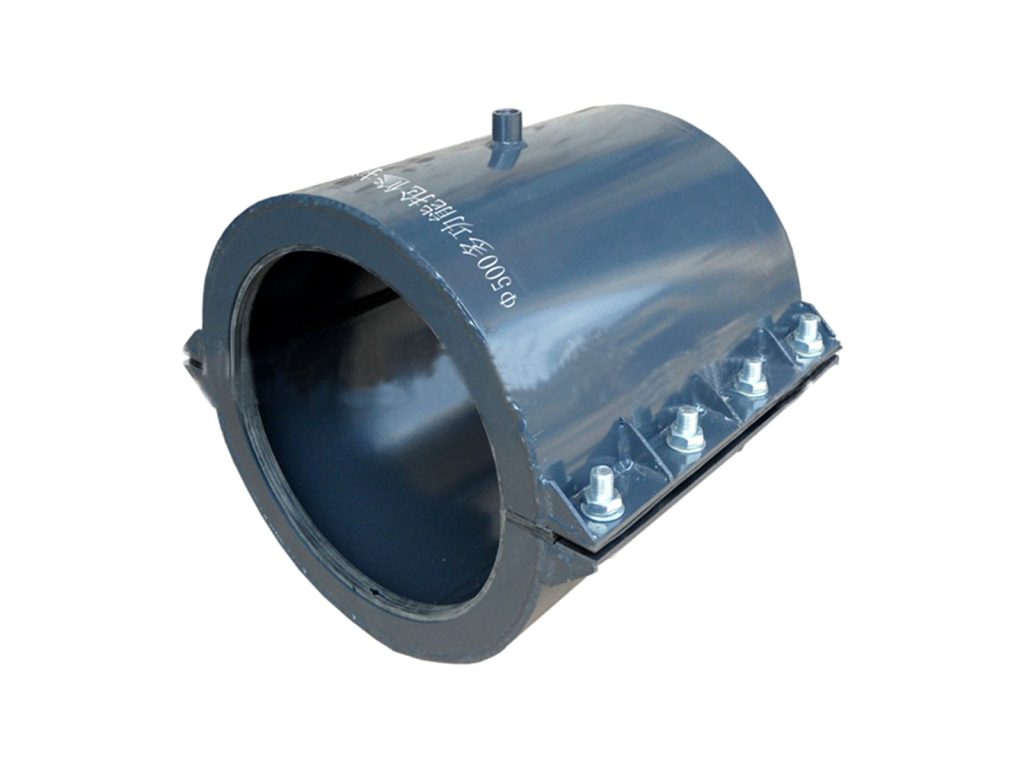
Repair Clamp Seal Materials: EPDM, NBR, FKM and More
The shell of a repair clamp holds the pipe together; the rubber gasket does the actual sealing. Choose the right elastomer and the repair lasts for the life of the pipeline. Choose wrong, and the seal swells, hardens or cracks — usually months before anyone expects it to.
EPDM — the workhorse
EPDM (ethylene propylene diene monomer) is the default seal for water and wastewater systems. It resists water, steam, dilute acids, alkalis, ozone and UV, and stays flexible across a wide temperature range. If the line carries drinking water, sewage, drainage or mild chemicals, EPDM is almost always the right choice.
NBR — for oil and fuel
NBR (nitrile rubber) is selected when the line carries oils, fuels, greases and petroleum products — exactly the environments where EPDM fails. NBR seals remain stable in contact with hydrocarbons and are common on high-pressure clamps for oil, gas and industrial service.
FKM / Viton — for aggressive conditions
Fluoroelastomers (FKM, often sold as Viton) handle chemicals and temperatures that defeat both EPDM and NBR — strong acids, solvents, and sustained heat up to around 200 °C. FKM seals are specified for chemical plant, refining and other demanding services, and are available on stainless and duplex clamps.
Silicone — for extreme temperature
Silicone elastomers stay flexible at very low temperatures (down to about −60 °C) and very high temperatures, making them useful for special service where a wide temperature window matters. Mechanical strength is lower than EPDM or NBR, so silicone is chosen for temperature extremes rather than high pressure.
Natural rubber — economical general purpose
Natural rubber gives good abrasion resistance and flexibility at a low cost for clean-water service. It is a practical choice for standard straight repair clamps where the fluid is benign and temperature is moderate.
How to choose
- Water, sewage, dilute chemicals, outdoors → EPDM
- Oil, fuel, grease, hydrocarbons → NBR
- Aggressive chemicals, high temperature → FKM / Viton
- Extreme low or high temperature → Silicone
- Clean water, low cost, moderate service → Natural rubber
If your fluid or temperature does not fit one of these rows, tell your supplier the exact media and operating range — they can confirm compatibility before you buy, rather than after the seal fails.