
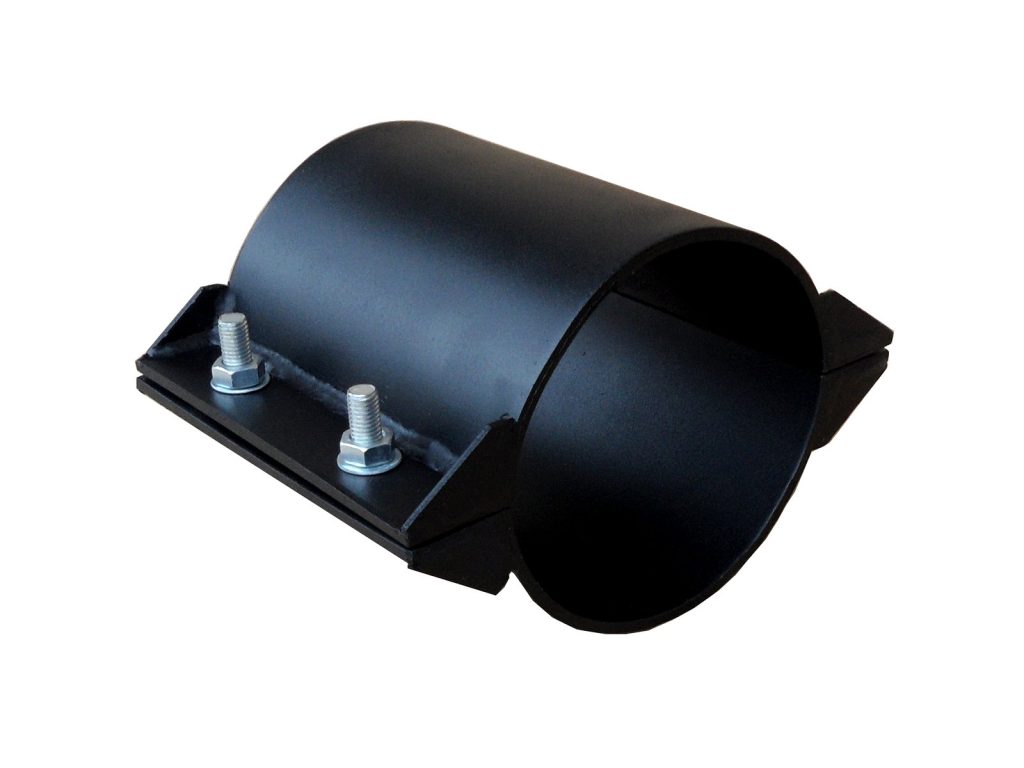
Repair Collar
Select a leak repair collar by measured pipe OD, defect coverage and sound sealing areas. Confirm the pipe material, seal, service conditions and access for the supplied configuration before ordering or planning installation.
Also known as: Leak Repair Collar, Pipe Leak Clamp
BS-RCLCUsually replies within 24 hours sales@baoshuopipe.com
Technical Specifications
| Part Number | BS-RCLC |
|---|---|
| Size Range | DN15–DN4000 · Plastic φ50–φ1600 · Custom sizes available beyond the above range |
| Body Material | Q235 Carbon Steel / SS304 / SS316L / Duplex 2205 |
| Seal Material | EPDM |
| Sealing Pressure | ≥1.6MPa (232 PSI) |
| Bolt Specification | M16×80, Grade 8.8 High-Strength Bolts |
| Coating | Epoxy Powder |
| Length Range | 150–1000mm (5.9"–39.4") |
| Weight | 1.3–335 kg (approx) |
| Applicable Pipe Types | UPVC, HDPE, Steel, Ductile Iron, Cast Iron |
| Working Conditions | Standard Pressure |
Custom Orders Available
This product can be customized to your specifications. Contact us with your requirements.
Request Custom QuoteCheck the fit before ordering.
- Measure the actual pipe
- Nominal DN alone does not define the outside diameter. Confirm the pipe material, measured OD and condition.
- Confirm the geometry
- Provide dimensions of the connection or damaged area. Product shape, sealing length and end connections must match the job.
- Match the seal to the service
- Confirm medium, temperature and pressure together. A material name alone is not a service approval.
- Plan a safe installation
- Pipe integrity, isolation and installation procedure require a site-specific assessment. Suitability for live service must be confirmed.
Read the full technical guide6 chapters · complete product description
Product Overview
Select a leak repair collar by measured pipe OD, defect coverage and sound sealing areas. Confirm the pipe material, seal, service conditions and access for the supplied configuration before ordering or planning installation.
What a repair collar needs to cover
A repair collar is selected to enclose the specified leaking area and place its seals on suitable pipe surfaces. Record whether the defect is a pinhole, an extended damaged area or a leak at a connection. The product name does not establish a short shell, a single bolt or a permanent repair. Continuing cracks, uncertain wall condition and loss of support require assessment of the repair route. Use the repair-or-replacement guide to prepare that assessment.
Measure OD, length and access
Measure the actual pipe outside diameter at the proposed sealing positions and record ovality, coating and nearby fittings. Mark the full defect length and the available intact surface beyond it. Confirm the selected collar length, seal positions, opening path and tool clearance together; a catalogue DN or one dimension alone cannot establish fit. A longer defect is not automatically solved by putting two collars side by side. The selection guide explains the enquiry measurements.
Match the pipe and supplied construction
Identify the pipe material and, for plastic pipe, the actual pipe specification and wall designation. The collar dimensions listed for one pipe group do not establish compatibility with every other material. Confirm the shell, gasket arrangement and fastening criteria for the measured pipe; a material option is not evidence that an identical assembly is stocked in every size. For damage on a straight pipe section, compare the straight repair clamp by the same measurements rather than assuming that a longer shell restores structural capacity. Use the pipe-material guide to identify the pipe-specific details to send.
Confirm seal and service conditions
Send the medium, composition where relevant, temperature range, operating pressure and maximum design or transient pressure. EPDM is the listed seal for this product, but a compound name alone does not establish suitability for drinking water, chemicals or temperature extremes. Confirm the actual seal formulation and supplied configuration. Read the seal selection guide and the pressure-rating guide; neither changes the limits stated for the confirmed model.
Plan fitting and acceptance
Have the pipeline operator define isolation, depressurisation, access and work authorisation before handling the damaged section. Obtain the supplied model's preparation method, bolt sequence, torque, permitted assembly condition and inspection requirements. Judging gasket compression by eye or closing the housing gap is not a tightening criterion. A pressure rating does not authorise installation on a running line. Follow the agreed testing, return-to-service and monitoring plan, using the installation guide to identify information still needed.
Send a complete collar enquiry
Provide labelled photographs, pipe material and specification, measured ODs, defect dimensions, proposed sealing positions, available length, obstructions and tool access. Add the medium, temperatures, pressures and required quantity. Ask Baoshuo to confirm the configuration, delivery availability and installation documents against the current collar datasheet. Keep the confirmed drawing and acceptance records with the product identification; catalogue coverage does not by itself establish stock or a guaranteed service life.
Documents
Material standards GB/T 700 · ASTM A240 · GB/T 3280 · BS EN 681-1 · GB/T 21873 · AWWA C210 · GB/T 18593 · ISO 898-1 · GB/T 3098.1
Related Products
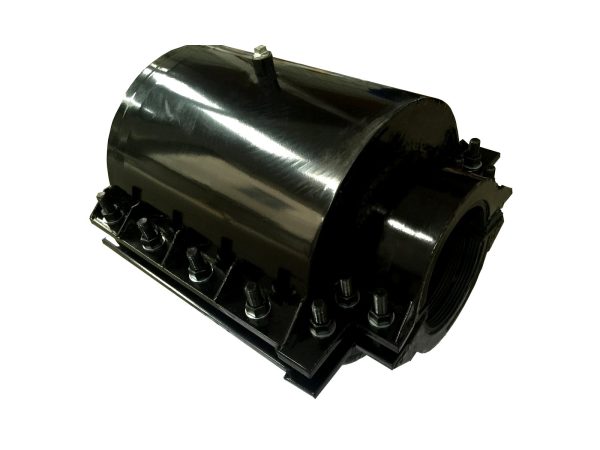
Repair Sleeve for Reducer Fittings
A split repair sleeve for a reducer fitting covers a local defect across an existing change in diameter. Both measured…
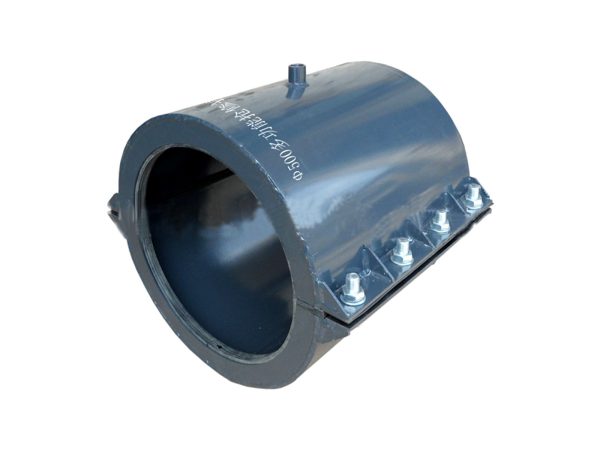
Mechanical Joint Split Repair Sleeve
Select a socket-joint repair sleeve from the actual joint profile, measured pipe and socket diameters, sealing…
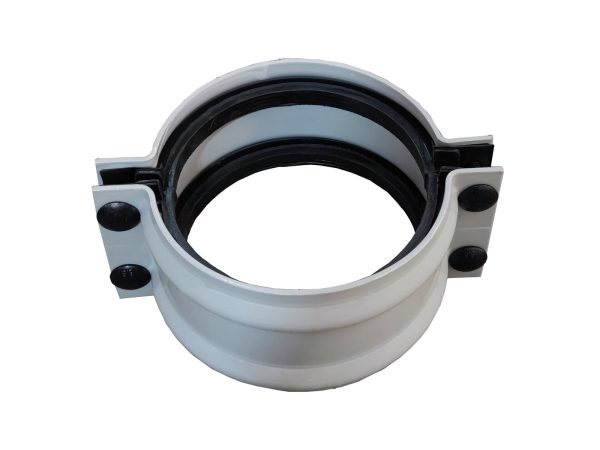
Weld Seam Repair Sleeve
Narrow-profile repair clamp for leaking weld seams on steel pipes. Targets the weld line directly with focused sealing…