
How to Choose the Right Pipe Repair Clamp
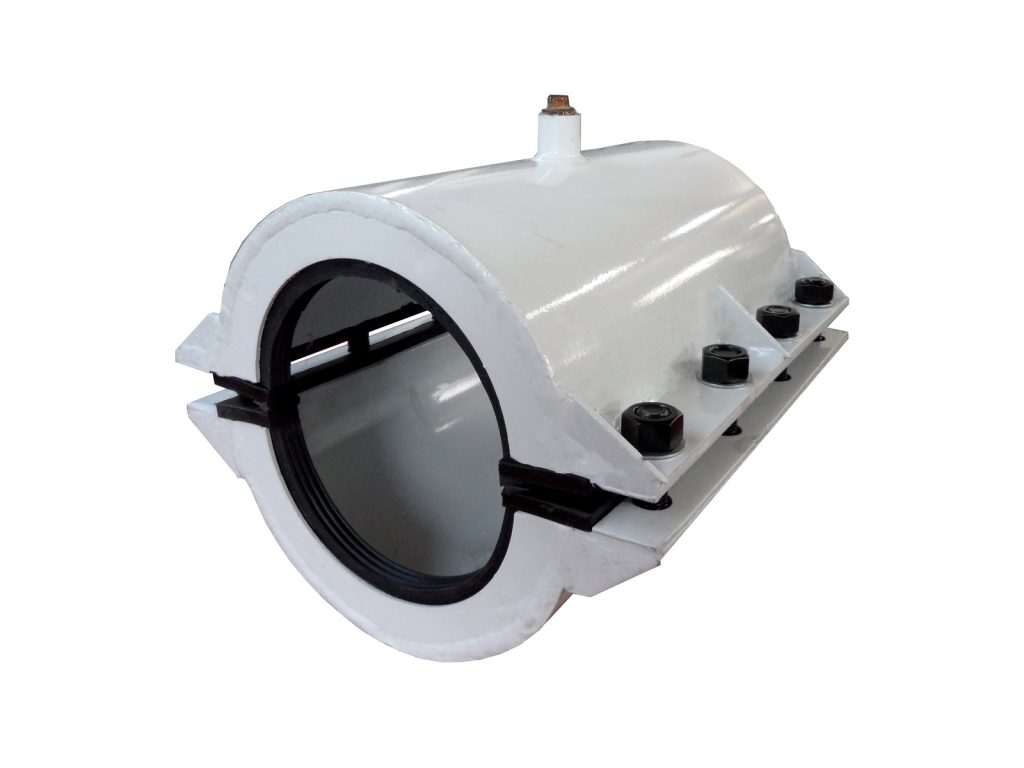
A pipe repair clamp is one of the fastest, most economical ways to stop a leak on a pressurised pipeline. Unlike welding or replacing a section, a clamp installs over the damaged area in minutes and seals it permanently without shutting down the line.
But choosing the wrong clamp is expensive. An undersized clamp leaks, an oversized one never grips, and the wrong seal material fails within months. Here is the selection process we use with our own customers, step by step.
1. Identify the pipe first
The clamp must match the pipe, not the leak. Confirm four things before anything else:
- Pipe material — ductile iron, cast iron, steel, stainless steel, UPVC, PVC-M, HDPE, PPR, FRP or cement. Different materials need different clamp geometry and seal profiles.
- Pipe size — measure the outside diameter (OD) for plastic pipe, or the nominal diameter (DN) for iron and steel. Our range covers φ20–φ1600 mm on plastic and DN15–DN4000 on metal pipe.
- Operating pressure — standard water mains need ≥1.6 MPa; oil and gas lines need a high-pressure clamp.
- Working conditions — temperature, chemical exposure, oil contact and UV exposure all affect seal selection.
When in doubt, measure the OD with a tape or calliper and tell the supplier the actual reading — not the size you think the pipe is.
2. Match the clamp to the leak location
Repair clamps are built for specific pipe geometry. Selecting the wrong style is the most common buying mistake:
- Straight section — use a straight pipe repair clamp. Covers pinholes, cracks and weld-seam damage on the barrel of the pipe.
- Tee junction — use a tee repair clamp or repair branch clamp with a threaded or flanged branch outlet.
- Elbow / bend — use an elbow repair clamp designed for 45° and 90° bends.
- Socket / bell joint — use a socket-joint repair clamp that seals the bell-and-spigot cavity.
- Flanged joint — use a flange wrap clamp.
- Leak collar — a quick-fit collar is a general-purpose option for plastic and metal pipe.
3. Check the pressure rating
Standard repair clamps for water and general service are rated to at least 1.6 MPa (232 PSI). If the pipeline carries higher pressure — common in oil, gas and industrial service — specify a high-pressure clamp. These use thicker shells, higher-grade bolts (typically Grade 8.8 or better) and stronger seal compounds. Never select a clamp rated below the line pressure.
4. Pick the right seal material
The rubber gasket does the actual sealing. Match it to the fluid:
- EPDM — the default for water, wastewater and mild chemicals. Excellent ozone and weather resistance.
- NBR — for oil, fuel and grease exposure.
- FKM / Viton — for aggressive chemicals and high-temperature service.
- Silicone — for extreme hot or cold temperatures.
- Natural rubber — economical general-purpose choice for clean water.
5. Choose the shell material
The shell carries the load. Q235 carbon steel with an epoxy-powder coating is the standard choice — strong, corrosion-protected and economical. For corrosive or hygienic service, select stainless steel (SS304 / SS316 / SS316L) or duplex 2205, especially in chemical, food and coastal installations.
6. Standard or custom?
If your pipe size and pressure fall inside the standard range, a standard clamp is the fastest and cheapest option. If you need a non-standard OD, a higher rating, or special seals and coatings, Baoshuo supplies fully custom clamps built to your specification — just provide pipe OD, fluid, pressure and temperature, and our engineers will confirm the configuration.
Selection checklist
- Pipe material and actual OD / DN confirmed
- Clamp style matches the leak location (straight, tee, elbow, socket, flange)
- Pressure rating ≥ line pressure
- Seal material compatible with the fluid and temperature
- Shell material matched to environment (carbon steel or stainless)
Still unsure? Send us the pipe OD, the fluid and the operating pressure — a wrong guess costs more than a good question.